FREE SHIPPING ON ALL ORDERS TO THE USA!

Why Grease Is the One Thing Holding Your Kitchen Back
(And How to Restore the Shine You Didn’t Realize You Lost)
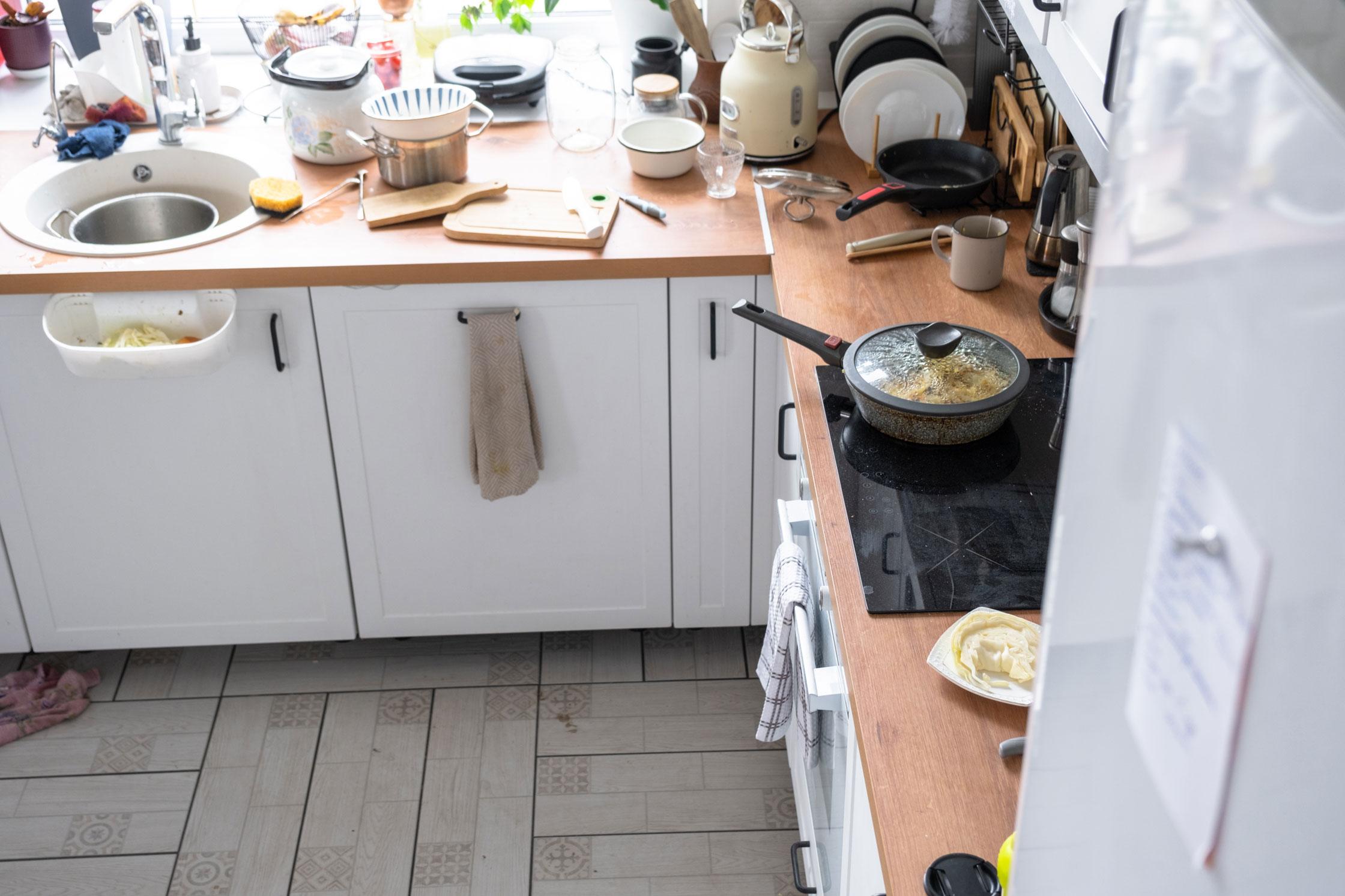
Sometimes the kitchen doesn’t feel dirty. It just doesn’t feel right. The counters are cleared. The dishes are done. The trash is taken out. And yet something about the space feels dull… heavy… slightly worn. You wipe things down, but the shine doesn’t fully return. The cabinets look a little flat. The stainless steel isn’t as reflective as it used to be. The backsplash seems cloudy instead of crisp. Over time, you stop noticing it. Until one day you realize your kitchen just doesn’t feel as fresh as it once did.
In many homes, the issue isn’t clutter. It’s grease. Not dramatic splatters or obvious spills — but the invisible layer that builds slowly every time you cook. Every sauté, every pan-sear, every splash of oil sends tiny airborne particles into the air. They settle quietly on cabinets, appliances, vent hoods, and walls. One meal doesn’t change much.
But weeks and months of cooking create a film that subtly transforms the entire room. And until that layer is properly removed, your kitchen will never fully feel clean — no matter how often you wipe it down.

The Grease You Don’t Notice (Until You Do)
Grease doesn’t show up dramatically. It doesn’t spill across your counters and demand attention. It builds slowly.
Every time oil hits a hot pan, tiny particles lift into the air. They’re microscopic. Invisible. They float and settle onto nearby surfaces — cabinet doors, backsplashes, vent hoods, light switches, even the top edge of your refrigerator.
One meal? No big deal.
But multiply that by weeks. Then months. The holiday cooking season.
Suddenly, your once-bright cabinets feel slightly tacky. Your stainless steel looks dull instead of reflective. Your backsplash seems to have lost its crispness.
You wipe it down with an all-purpose cleaner, and it looks better… but not fully clean.
That’s because you didn’t remove the grease. You just wiped the surface.
And over time, that subtle buildup changes the entire feel of your kitchen.
When a Kitchen Feels “Off”
Have you ever walked into your kitchen and felt like something was just… off?
Not messy. Not chaotic. Just heavy.
The counters are cleared. The dishes are done. But the room doesn’t feel fresh.
That heaviness often comes from residue buildup.
Grease attracts dust. Dust sticks to grease. Light doesn’t reflect the same way. Surfaces lose that smooth glide when you run your hand across them.
You may not consciously think, “My cabinets have airborne oil buildup.”
But you might think:
-
I don’t feel like cooking tonight.
-
This space just feels cluttered.
-
Why doesn’t my kitchen ever look as bright as I want it to?
Your environment influences your energy more than you realize. When your kitchen feels dull, it subtly drains momentum.
And now is the perfect time to restore that momentum.
Why Most Cleaners Don’t Actually Solve It
Here’s where frustration sets in. You clean regularly. You wipe down the stove. You spray the counters. You’re not neglecting your space.
But grease is different from dust or crumbs. Oil bonds tightly to surfaces. It clings. It layers. And once it settles into textured finishes or painted cabinet fronts, it doesn’t just rinse away with a quick wipe.
Many general cleaners are designed for light dirt and water-based spills. They’re great for fingerprints or juice drips. But when it comes to built-up cooking residue, they often smear instead of lifting. So you wipe harder. You scrub longer. You go back over the same spot again.
And even then, the shine doesn’t fully return. It’s not that you’re doing something wrong. You’re just using the wrong tool for the job.

What Happens When You Actually Cut the Grease
The first time you use a true grease-cutting formula, you notice the difference immediately. Instead of scrubbing aggressively, you spray and let it work. The formula penetrates the oil layer and begins breaking apart those bonds. When you wipe, the residue lifts instead of spreading. The surface underneath looks brighter. Cleaner. Clearer. It’s almost surprising how much shine was hiding beneath that invisible film.
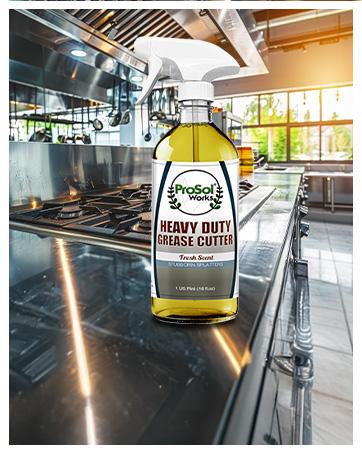
That’s the difference with something designed specifically for heavy cooking residue — like ProSol Works Heavy Duty Grease Cutter. It’s built to tackle real kitchen buildup without turning your home into a cloud of harsh fumes. The goal isn’t harshness. Its effectiveness. Because cleaning should move you forward, not overwhelm you.
The 20-Minute Kitchen Reset
One of the biggest myths about deep cleaning is that it has to take hours. It doesn’t. In fact, you can completely reset the feel of your kitchen in about twenty minutes if you focus on the right areas. Start at the stove. That’s ground zero. A quick spray across the surface and backsplash, a short wait, and a smooth wipe can completely transform the look. Then move upward to the cabinet fronts near the cooking area. You may not realize how much airborne oil has settled there until you feel the difference after wiping it away.
Next, look at your range hood. It’s one of the most overlooked spots in the kitchen, yet it collects the most residue. Cleaning it instantly restores a sense of brightness. After that, glide over appliance fronts — the microwave door, oven handle, refrigerator handles. These high-touch areas quietly accumulate both grease and fingerprints.
Finally, take a minute to wipe down the wall space and light switches near the stove. It’s a small detail, but it completes the reset.
In less time than it takes to scroll social media, your kitchen can look — and feel — brand new.
Why This Matters More Than You Think
A clean kitchen isn’t just about appearance. It affects behavior. When your kitchen feels bright and smooth, you’re more likely to cook. When it feels dull or sticky, you’re more likely to avoid it.
That affects:
-
How often do you prepare meals at home
-
How organized do you feel
-
How confident are you in hosting guests
-
How motivated do you feel in the morning
The environment creates momentum. And momentum builds habits, and your kitchen should support that goal — not subtly resist it.